
Sailing guide
Tacking and gybing: when to turn
Learn the difference between a tack and a gybe. Plan turns with room to recover speed, and practise reaching an upwind or downwind target.
By the SailPolars team · Updated
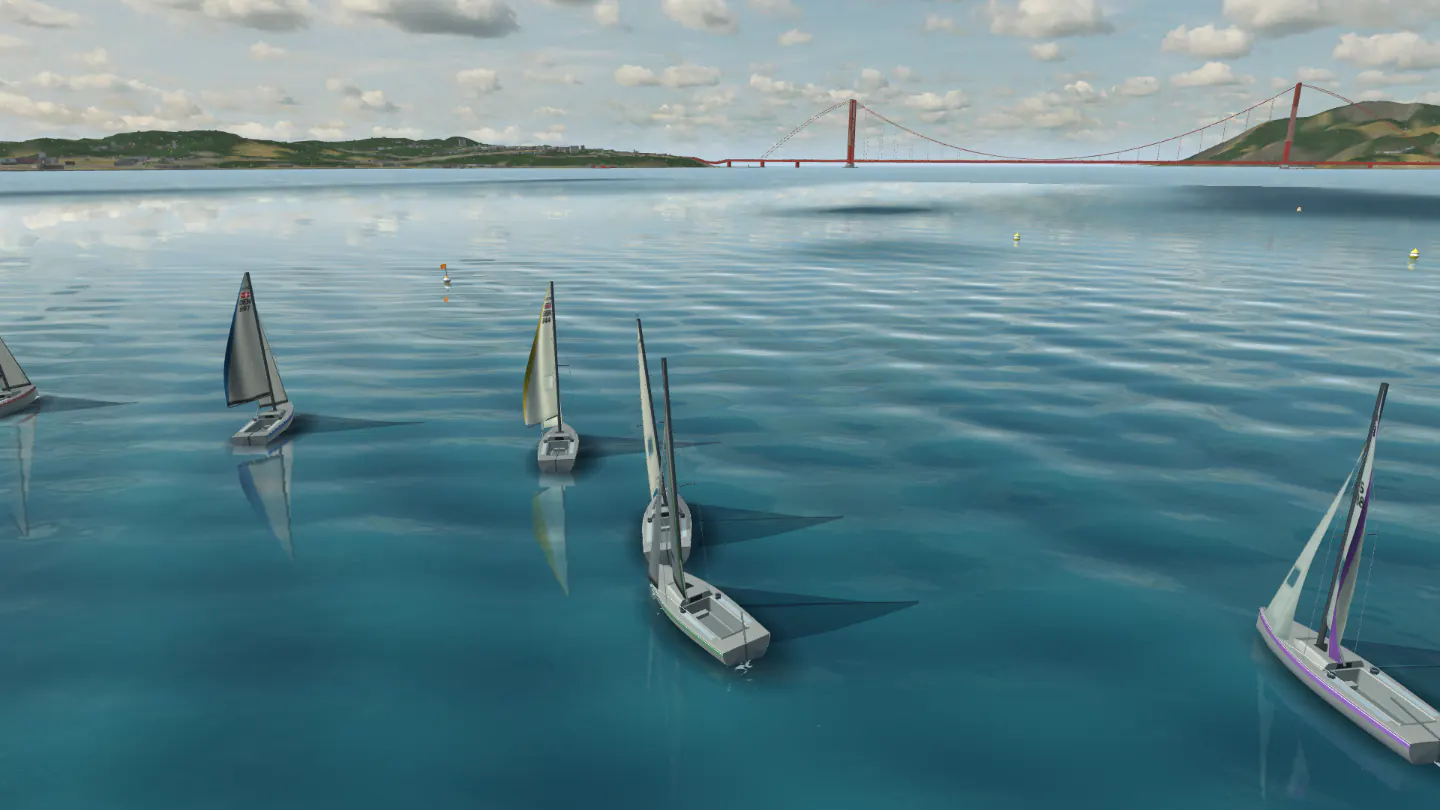
A tack crosses head to wind
A tack turns the bow through the direction the wind comes from. The wind then reaches the other side of the boat. Tacks connect the two close-hauled routes toward an upwind target.
The boat loses driving force during the turn. It needs time and distance to recover speed. A turn must improve your route enough to repay that loss.
A gybe crosses downwind
A gybe turns the stern through the wind. The mainsail changes sides while the boat sails downwind. A gybe can connect two broad reaches toward a downwind target.
Some boats make good progress near directly downwind. Others sail faster at an angle and use gybes. Compare useful progress for your class. Do not copy another class's angle without checking it.
Plan before the turn
Check nearby boats and leave room for the manoeuvre. Choose the exit heading before you turn. Allow the boat to accelerate before another turn.
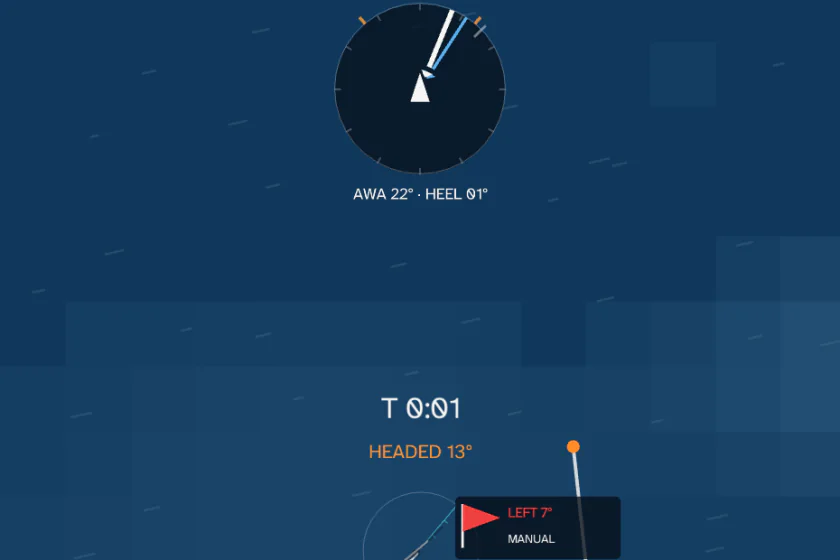
In SailPolars, T starts the tack or gybe for the current point of sail. On a real boat, the crew must also control sheets, balance and boom movement. A simulator turn does not teach those physical tasks.
Practise this idea
- Sail close-hauled with room on both sides.
- Choose an upwind target and check for traffic.
- Press T to tack. Observe the speed loss.
- Hold the new close-hauled heading until speed recovers.
- Open the gybing lesson from the sailing school and repeat downwind.
Avoid this mistake
Repeated short turns can cost more than they gain. Do not turn only because the bow points away from the mark.
Check your understanding
Can you explain which end of the boat crosses the wind in each manoeuvre? Compare one planned turn with several short turns in the same weather.
Continue learning
This guide follows the SailPolars sailing school and guided practice lessons. Game controls describe the simulator. They do not replace practical instruction on a real boat.
Next: Sail choice, easing and spinnakersAll practice lessons